

Dutch ovens have been a popular cooking tool for centuries, and they are still a popular choice for cooks today. From roasting meat to baking bread, Dutch ovens offer a variety of uses and are highly versatile. Here, we’ll take a look at why Dutch ovens are so useful, the different types of Dutch ovens available, and some tips for getting the most out of your Dutch oven.
What is a Dutch Oven?
A Dutch oven is a heavy pot with a tight-fitting lid. The pot is usually made from cast iron, although some models are also available in ceramic, aluminum, and stainless steel. The lid is designed to fit tightly against the pot, creating an airtight seal that allows for even cooking and prevents moisture from escaping.
Why Use a Dutch Oven?
Dutch ovens are highly versatile and can be used for a variety of cooking tasks. They’re perfect for slow-cooking stews, soups, and casseroles, and can also be used for roasting meats, baking breads, and even making desserts. The tight-fitting lid traps moisture and helps to create an even temperature throughout the pot, ensuring that food cooks evenly and thoroughly.
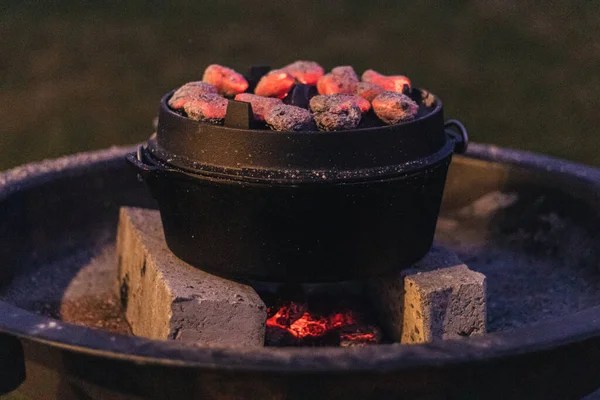
The heavy-duty construction of Dutch ovens also makes them ideal for outdoor cooking, as they can be placed directly on a campfire or wood-burning stove. This makes them a great choice for camping trips, as they can be used to cook a variety of meals without the need for additional equipment.
Types of Dutch Ovens
There are a few different types of Dutch ovens available, and each one has its own unique features and advantages. The traditional Dutch oven is made from cast iron and is designed for slow cooking over a low heat. This type of Dutch oven is ideal for making soups, stews, and casseroles, as it can retain heat for long periods of time. It is also perfect for roasting meats, as the heavy construction ensures that the heat is evenly distributed throughout the pot.
Enameled cast iron Dutch ovens are a more modern version of the traditional Dutch oven. They are made from cast iron that is coated with a layer of enamel, which makes them easier to clean and prevents them from rusting. The enamel also helps to retain heat, allowing for even cooking.
Ceramic Dutch ovens are a great choice for baking bread and desserts. The ceramic material helps to evenly distribute heat, ensuring that food cooks evenly.
Aluminum Dutch ovens are lightweight and often come with non-stick surfaces, making them ideal for searing meats and sautéing vegetables.
Looking for a different music streaming option? Check out a free trial to Amazon Music – Click here!
Tips for Using a Dutch Oven
Using a Dutch oven can be intimidating, but it’s actually quite simple.
Here are a few tips for getting the most out of your Dutch oven:
– Preheat the oven before adding food. This will ensure that the food cooks evenly and thoroughly.
– Use a heat diffuser if you’re cooking over an open flame. This will help to evenly distribute the heat and prevent food from burning. Elevating the dutch oven over coals and no direct fire is also an option.
– Don’t overfill the oven. The lid should fit snugly against the pot, so make sure there is enough room for the lid to fit properly.
– Use a thermometer. This will help you to monitor the temperature of the oven, ensuring that food cooks evenly.
– Clean the oven after each use. This will help to prevent rust and keep the oven in good condition. It is recommended not to use soap on dutch ovens and wipe down with oil after drying.
– A good cooking rule of thumb for cooking with dutch ovens is to place 2/3 of coals on top and about 1/3 underneath.

Conclusion
Dutch ovens are an incredibly versatile and useful cooking tool. From roasting meats to baking breads, Dutch ovens offer a variety of uses and can be used for a wide range of cooking tasks. They are also perfect for outdoor cooking, as they can be placed directly on a campfire or wood-burning stove. With the right care and maintenance, a Dutch oven can last for many years, making it a great investment for any cook.

Leave a comment